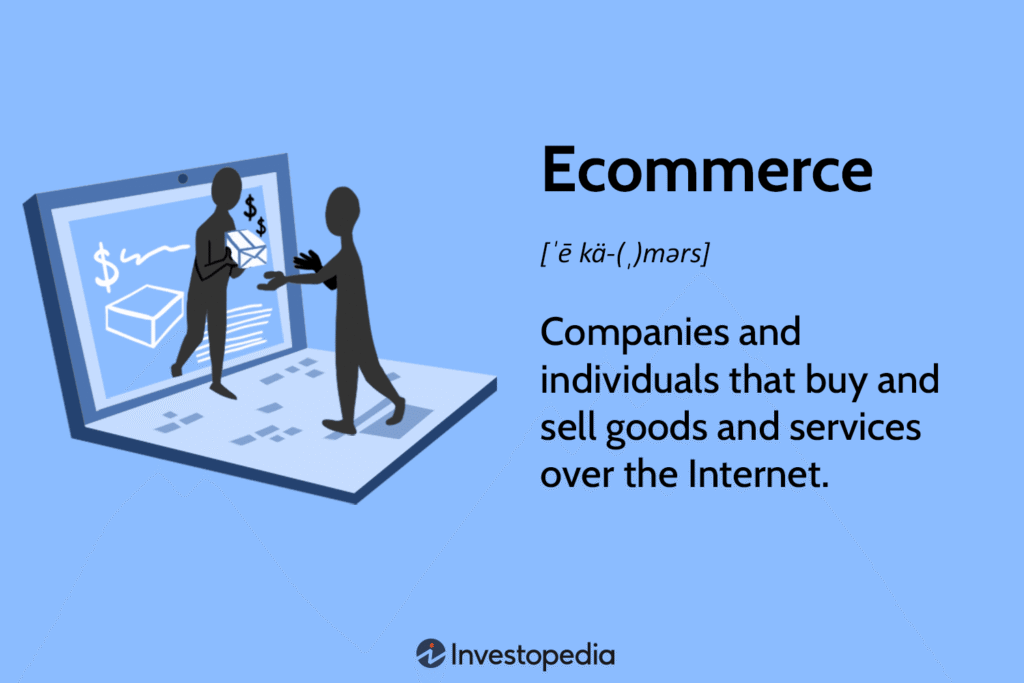

E-commerce marketing is the process of promoting an online store using digital channels to attract visitors, generate leads, and increase sales. With millions of people shopping online every day, having an attractive website alone is not enough. A strong e-commerce marketing strategy helps businesses reach the right audience, improve brand awareness, and boost conversions.
Whether you own a small online store or a large e-commerce business, understanding the right marketing techniques can help you stay ahead of the competition.
What is E-Commerce Marketing?
E-commerce marketing refers to the use of digital marketing strategies to promote products or services sold through an online store. It includes activities such as Search Engine Optimization (SEO), social media marketing, email marketing, content marketing, paid advertising, influencer marketing, and conversion optimization.
The main goal is to attract potential customers, convert them into buyers, and encourage repeat purchases.
Why is E-Commerce Marketing Important?
A successful e-commerce marketing strategy offers several benefits:
- Increases website traffic
- Generates high-quality leads
- Improves brand visibility
- Boosts online sales
- Builds customer trust
- Enhances customer loyalty
- Reduces customer acquisition cost
- Improves return on investment (ROI)
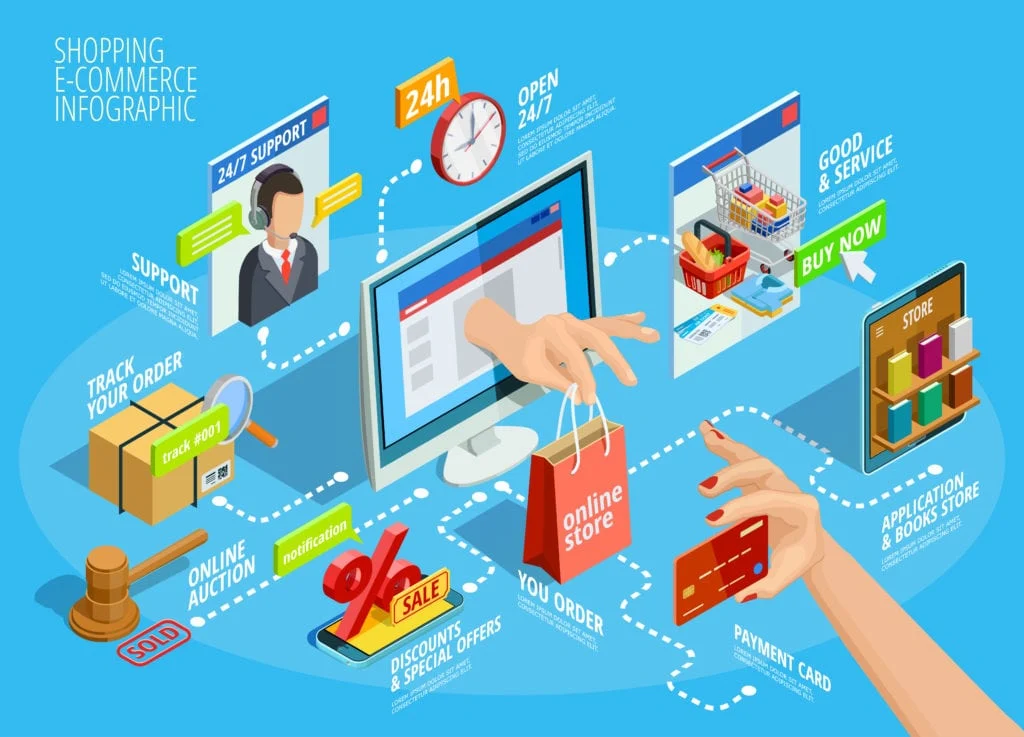
Benefits of E-Commerce Marketing
1. Higher Online Visibility
SEO and digital marketing help your website rank higher in search engines, making it easier for customers to find your products.
2. Better Customer Targeting
Marketing campaigns can target customers based on age, interests, location, behavior, and shopping habits.
3. Increased Sales
A well-planned marketing strategy attracts more qualified visitors who are more likely to purchase.
4. Cost-Effective Marketing
Compared to traditional advertising, digital marketing provides better results at a lower cost.
5. Improved Customer Retention
Email marketing, loyalty programs, and personalized offers encourage repeat purchases.
Top E-Commerce Marketing Strategies
1. Search Engine Optimization (SEO)
SEO helps improve your website’s ranking on Google and other search engines.
SEO Best Practices
- Use keyword-rich product titles
- Write unique product descriptions
- Optimize images with ALT text
- Improve website speed
- Create SEO-friendly URLs
- Add internal links
- Build quality backlinks
- Publish informative blog content
2. Content Marketing
Creating valuable content helps educate customers and improve search rankings.
Popular content includes:
- Blog posts
- Buying guides
- Product comparisons
- Tutorials
- Videos
- Infographics
- FAQs
3. Social Media Marketing
Social media platforms help businesses connect with customers and increase brand awareness.
Popular platforms include:
- YouTube
- X (Twitter)
Share engaging content, product updates, customer reviews, and promotional offers regularly.
4. Email Marketing
Email marketing remains one of the highest ROI marketing channels.
Types of email campaigns:
- Welcome emails
- Promotional offers
- Product recommendations
- Cart abandonment emails
- Seasonal discounts
- Customer feedback requests
5. Pay-Per-Click (PPC) Advertising
Paid advertising helps generate instant traffic.
Popular advertising platforms:
- Google Ads
- Facebook Ads
- Instagram Ads
- YouTube Ads
- Shopping Ads
Optimize campaigns by targeting the right audience and monitoring conversions.
6. Influencer Marketing
Partnering with influencers helps increase credibility and reach new customers.
Choose influencers whose audience matches your niche.
7. Affiliate Marketing
Affiliate marketers promote your products and earn commissions on successful sales.
This is a performance-based marketing strategy with low risk.
8. Remarketing
Remarketing targets visitors who left your website without making a purchase.
Showing personalized ads reminds customers about products they viewed and increases conversion rates.
E-Commerce Marketing Funnel
Awareness
Customers discover your brand through SEO, social media, and advertisements.
Consideration
Visitors compare products, read reviews, and explore your website.
Conversion
Customers complete their purchases.
Retention
Offer discounts, loyalty rewards, and excellent customer service to encourage repeat purchases.
Advocacy
Satisfied customers recommend your brand to friends and family.
my homepage https://nehamarketing.online/
Essential Tools for E-Commerce Marketing
- Google Analytics
- Google Search Console
- Google Ads
- Meta Ads Manager
- Canva
- Mailchimp
- Ahrefs
- SEMrush
- Yoast SEO
- WooCommerce
- Shopify
Common E-Commerce Marketing Mistakes
Avoid these mistakes:
- Ignoring SEO
- Slow website speed
- Poor mobile optimization
- Low-quality product images
- Duplicate product descriptions
- Complicated checkout process
- No customer reviews
- Weak social media presence
- Ignoring email marketing
- Not analyzing website data
Latest E-Commerce Marketing Trends in 2026
- AI-powered product recommendations
- Voice search optimization
- Short-form video marketing
- Personalized shopping experiences
- Live shopping events
- Social commerce
- Chatbots for customer support
- Sustainable and eco-friendly branding
Tips to Increase E-Commerce Sales
- Improve website loading speed
- Use high-quality product images
- Offer free shipping when possible
- Display customer reviews
- Create limited-time offers
- Optimize product pages for SEO
- Use abandoned cart recovery emails
- Simplify the checkout process
- Offer multiple payment methods
- Build customer trust with secure payment options
Conclusion
E-commerce marketing is essential for building a successful online business. Combining SEO, content marketing, social media, email campaigns, paid advertising, and customer-focused strategies can help increase website traffic, improve conversions, and build long-term customer relationships. Businesses that continuously analyze their performance and adapt to changing market trends are more likely to achieve sustainable growth.
Frequently Asked Questions (FAQs)
What is e-commerce marketing?
E-commerce marketing is the process of promoting an online store through digital channels to increase traffic, sales, and customer engagement.
Which marketing strategy is best for e-commerce?
A combination of SEO, content marketing, social media marketing, email marketing, and PPC advertising provides the best results.
Why is SEO important for e-commerce?
SEO helps improve search engine rankings, attract organic traffic, and increase product visibility without ongoing advertising costs.
How can I increase sales in my online store?
Focus on SEO, optimize product pages, improve website speed, run targeted advertising campaigns, and provide excellent customer service.
Is social media important for e-commerce marketing?
Yes. Social media helps build brand awareness, engage customers, promote products, and drive traffic to your online store.